News · 26 Nov 2026 · Penang
Penang’s water from Perak: the RM24.6 billion deal explained.

Penang has agreed to buy treated water from Perak for 40 years, and the payment terms have become a public debate this month. Here is what the deal says, what it costs, and the questions on both sides.
By Vinn, Real Estate Negotiator REN81915 · General information, not legal or financial advice
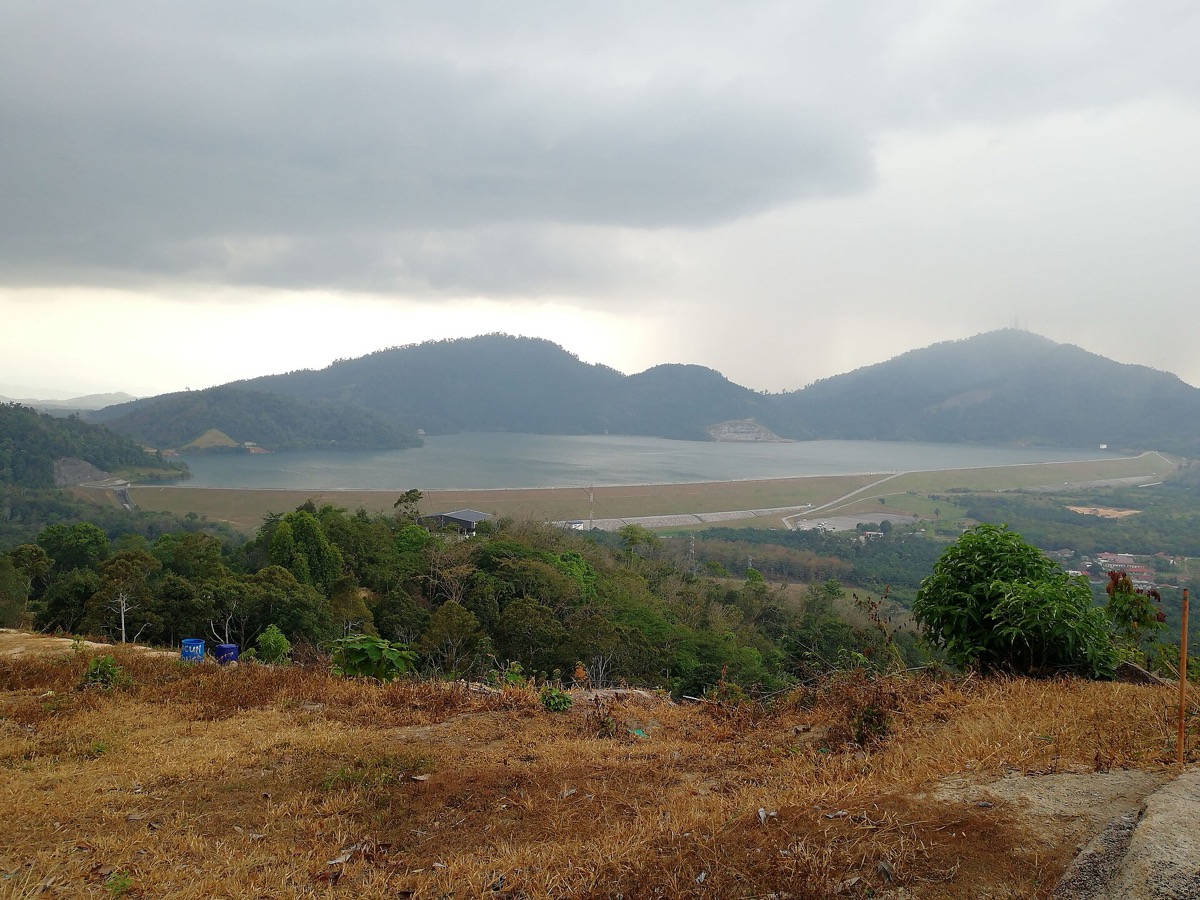
The deal in one minute
Penang’s water company, PBAPP, has agreed to buy treated water from Perak for 40 years. Perak will build a new treatment plant dedicated to Penang, and water is due to start flowing in 2032. The estimated total over the 40 years is RM24.6 billion. The deal has been approved by PBA’s shareholders and now needs the water regulator’s approval of its charges.
Sources: The Star (15 Jul 2026), The Star (19 Nov 2026), FMT (12 Nov 2026).
Why Penang needs more water
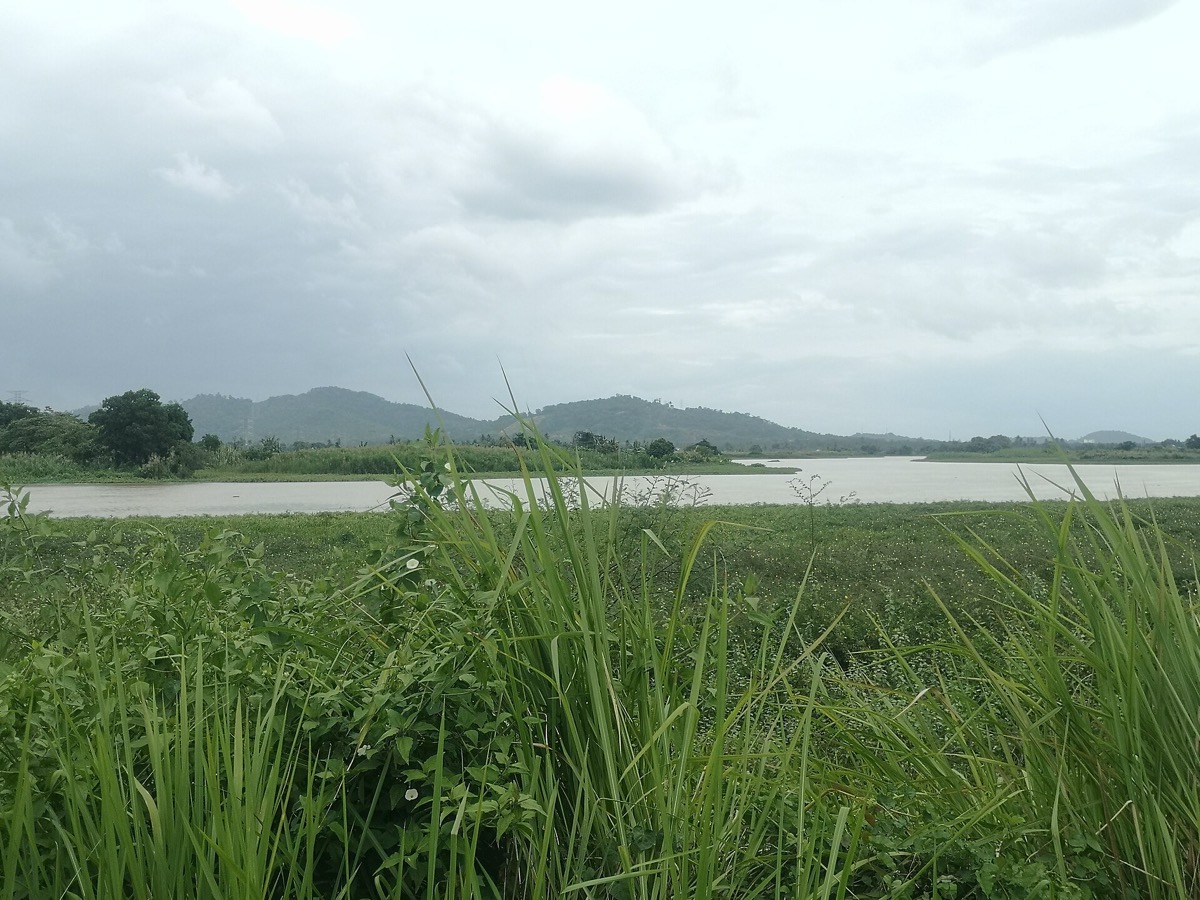
Penang is small, with few rivers and little land for new dams. About 80% of its raw water comes from one river, the Sungai Muda, which it shares with Kedah.
- One river, two states: Kedah draws from the Sungai Muda upstream, which can limit how much Penang is able to take, especially in long dry spells.
- Running out of local sources: PBAPP expects no more conventional raw water from Penang’s own rivers beyond 2030.
- Demand keeps rising: the state’s water use is projected to pass 1,100 million litres a day by 2032.
Sources: The Star (15 Jul 2026), FMT (12 Nov 2026), The Star (19 Nov 2026).
Where the money goes
The RM24.6 billion has two parts. A fixed capacity charge of RM210 million a year pays for the plant, and a water charge of RM1.70 per cubic metre pays for the water Penang actually receives.
- The plant: a new 500 million litres a day treatment plant, costing about RM3 billion, built only for Penang. Perak’s side finances it and carries the construction risk.
- The water: the RM1.70 rate is reviewed every three years, and Penang pays it only for water that arrives and meets the agreed quality.
- Penang’s own share: PBA expects to spend about RM400 million on pipes and facilities to carry the water around the state.
Sources: The Star (19 Nov 2026), The Star (14 Nov 2025), FMT (12 Nov 2026).
What it may cost each year
At the 300 million litres a day minimum, Penang would pay about RM396 million a year. If it later takes the full 500 million litres, the bill rises to about RM520 million.
These are today’s rates. The water charge is reviewed every three years, so the actual yearly figure will change over the 40 years.
Sources: FMT (12 Nov 2026), The Star (14 Nov 2025).
Two sides of the debate
Nobody in the debate is against Penang getting more water. The questions are about the payment terms, and the state has answered them point by point.
The questions raised
- Fixed payments: Bagan MP and former chief minister Lim Guan Eng asked why Penang should commit to RM210 million a year for 40 years, and said ending the deal early could still cost over RM1 billion.
- Supply disruptions: five independent directors on the PBA board raised concerns about payments if supply is disrupted for a long time.
- Future rates: critics also say the water rate could climb over the 40 years under the review clause.
The state’s answers
- No water, no payment: Chief Minister Chow Kon Yeow said Penang pays nothing before supply begins, and all charges need the regulator’s approval.
- Paying for a plant: the capacity charge covers building, financing and renewing a plant used only by Penang, not the water itself.
- Safeguards: Perak must compensate Penang for any shortfall or poor-quality water, checked by an independent lab, and Penang can end the deal if a breach is not fixed within 90 days.
- A way out: if the regulator does not approve the charges by 2035, Penang can walk away without paying compensation.
Sources: The Star (19 Nov 2026), Bernama via Malaysiakini (22 Nov 2026), FMT (12 Nov 2026), FMT (23 Nov 2026), Malay Mail (18 Nov 2026).
What happens next
- November 2025: Penang and Perak sign a memorandum of understanding.
- 15 July 2026: the 40-year supply agreement is signed, with conditions.
- November 2026: PBA’s board approves it 7 to 5, and shareholders approve it with 97.9% of votes cast.
- Next: the National Water Services Commission (SPAN) must approve the charges. Perak’s side has until 2035 to get it.
- 2032 to 2072: water is due to flow from 31 March 2032, for 40 years.
Sources: The Star (14 Nov 2025), The Star (15 Jul 2026), FMT (12 Nov 2026), Bernama via Malaysiakini (22 Nov 2026).
What it means for Penang
Water is the quiet limit on how far Penang can grow. New factories, offices and homes all need a reliable supply, and this deal is the state’s plan to secure it well beyond 2030.
- For industry: chip and electronics plants use a lot of water. Penang drew RM41.1 billion of approved investment in the first nine months of 2026, and those projects will need it.
- For households: no change to water bills from this deal has been announced. Any effect will depend on the charges the regulator approves.
The debate is about price and terms, not about whether Penang needs the water. Both sides agree it does. Penang’s 2026 investment ranking → · Where will the new workers live? →
Sources: Bernama via Malaysiakini (22 Nov 2026), The Star (7 Nov 2025).
Frequently asked questions
What is the Penang–Perak water deal?
A 40-year agreement for Penang’s water company PBAPP to buy 300 to 500 million litres of treated water a day from Perak, starting in 2032. Its estimated total value is RM24.6 billion.
Why does Penang need water from Perak?
About 80% of Penang’s raw water comes from the Sungai Muda, shared with Kedah, and PBAPP expects no more conventional raw water from Penang’s own rivers beyond 2030, while demand keeps rising.
How much will Penang pay each year?
About RM396 million a year at the 300 million litres a day minimum: RM210 million in capacity charges plus RM1.70 per cubic metre of water, a rate reviewed every three years.
Will Penang water bills go up because of this deal?
No change to water bills from this deal has been announced. The charges still need approval from the National Water Services Commission (SPAN).
Last updated 26 Nov 2026. This guide is general information only and is not legal, tax or financial advice. Plans, prices and rules change; please confirm with the developer, your lawyer or the official sources linked.
Ready to look?
Penang is planning for 2032 and beyond. So can you.
Ask us which parts of Penang are growing fastest and where it makes sense to buy for the long term.
Browse all projectsChat with us